Accounting guides
Plain guides to how accounting works, each with its own original illustration. 52 guides are published.

How to Read a Balance Sheet
Assets, liabilities and equity on one page: what a balance sheet shows, how the two sides balance, and the three checks to run first.
Read the guide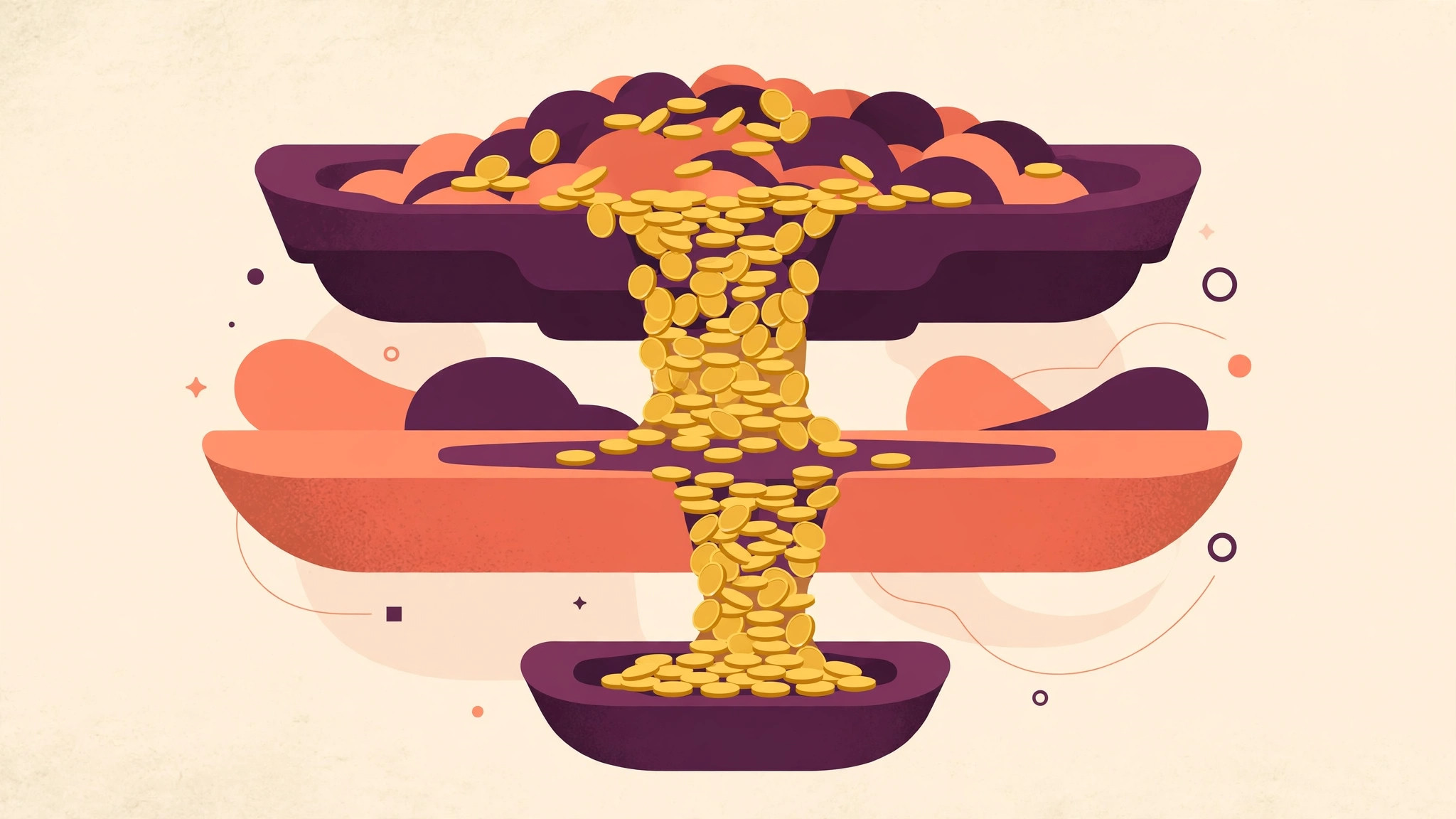
The Income Statement Explained, Line by Line
Revenue down to net income, line by line: gross profit, operating profit, and why the space between them is where management happens.
Read the guide
The Cash Flow Statement: Where the Money Really Moved
Profit is an opinion, cash is a fact: the three sections of the cash flow statement and why profitable businesses still run out of money.
Read the guide
Double Entry Bookkeeping: The System Behind Every Ledger
Every transaction recorded twice, once as a debit and once as a credit: the five-century-old system that keeps the books honest.
Read the guide
Debits and Credits Made Simple
Which side increases which account, why the bank's wording is backwards, and a memory frame that makes debits and credits finally stick.
Read the guide
The Accounting Equation: The Identity Behind the Books
Assets equal liabilities plus equity: the identity underneath every balance sheet, and what happens to it in everyday transactions.
Read the guide
Accrual vs Cash Accounting: Two Ways to Tell the Same Story
Recording income when it is earned or when the cash arrives: the two bases of accounting, and why the law mostly insists on one of them.
Read the guide
What Is Working Capital, and Why Growing Businesses Starve Without It
The money locked into stock, customer debts and supplier credit: what working capital is, why growing businesses starve without it, and how to free it.
Read the guide
Accounts Payable vs Receivable: The Two-Way Street of Credit
Money owed to you versus money you owe: the two ledgers that face each other across every transaction, and managing the gap between them.
Read the guide
Fixed Assets vs Current Assets: The One Year Line
Assets that serve for years versus assets that turn within one: the classification that drives the balance sheet layout and the liquidity story.
Read the guide
Revenue vs Profit: The Top Line Is Not the Result
The top line and the bottom line are different animals: why record sales can still produce a loss, and the margins that connect the two.
Read the guide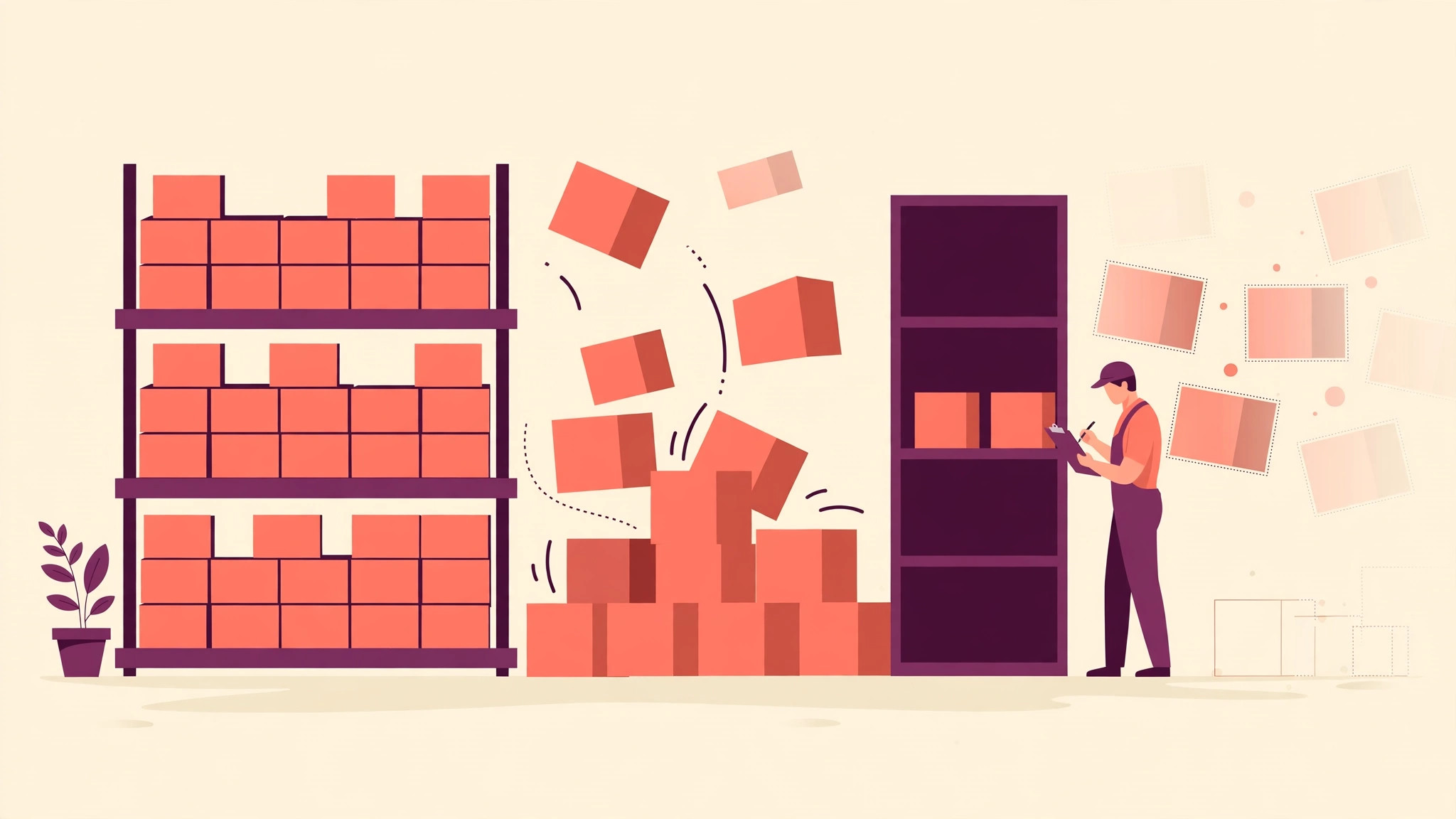
Cost of Goods Sold: The Line That Decides Gross Profit
Opening stock plus purchases minus closing stock: the cost line that decides gross profit, and the stock count on which the whole figure stands.
Read the guide
Operating Expenses: The Cost of Simply Being Open
The costs of running the business rather than making the product: what counts as operating expense, why the line creeps, and reading it like an owner.
Read the guide
Payroll Costs: What an Employee Really Costs
Gross pay is only the beginning: employer contributions, benefits and overheads, and the multiplier that turns a salary into a true employment cost.
Read the guide
Bank Reconciliation: Making the Books Agree With the Bank
Matching the books to the bank: why the two balances almost never agree at first, the items that explain the gap, and the control value of doing it monthly.
Read the guide
Petty Cash: Small Money, Serious Rules
Small cash, strict rules: imprest systems, vouchers for every coin, and why the smallest fund in the building deserves real control.
Read the guide
Budgeting Basics: A Plan Written in Numbers
A budget is a plan written in numbers: building the sales, cost and cash budgets, and the monthly habit of comparing them with reality.
Read the guide
Financial Ratios: The Four Families and How to Use Them
The families of ratios, liquidity, profitability, leverage and efficiency: what each family answers, and the rules for using any ratio honestly.
Read the guide
Internal Controls and the Audit Trail: Making Errors Visible
Segregation of duties, authorisations and the paper trail: the controls that keep honest people honest and make dishonesty visible.
Read the guide
The Year End Close: A Checklist That Earns Its Length
From trial balance to filed accounts: the adjustments, reconciliations and reviews that close a year properly, in the order to do them.
Read the guide
The Current Ratio: What It Says and Where It Lies
Current assets over current liabilities: how to work it, what lenders read into it, and the three ways a good-looking ratio can lie.
Read the guide
The Quick Ratio: The Acid Test of Liquidity
The acid test: liquidity with the inventory stripped out, why lenders trust it more, and what a healthy figure looks like by industry.
Read the guide
Gross Margin vs Net Margin: Two Stories in One Statement
Two margins, two different stories: gross margin judges the product, net margin judges the whole business, and confusing them misleads everyone.
Read the guide
Return on Equity Explained, and the DuPont Way of Reading It
Net income over equity: the owners' headline return, the DuPont way of taking it apart, and why borrowed money makes it sparkle and lie.
Read the guide
Return on Assets: The Return That Ignores the Funding
Profit per unit of assets: the return that ignores how the business is funded, and the benchmark it should always be compared with.
Read the guide
The Debt to Equity Ratio: Gearing Without the Jargon
Liabilities against equity: the gearing measure lenders covenant, owners argue about, and growing businesses must watch quarterly.
Read the guide
Interest Coverage: Can the Profit Pay the Interest?
Operating profit divided by the interest bill: the ratio that decides whether borrowing is a tool or a threat.
Read the guide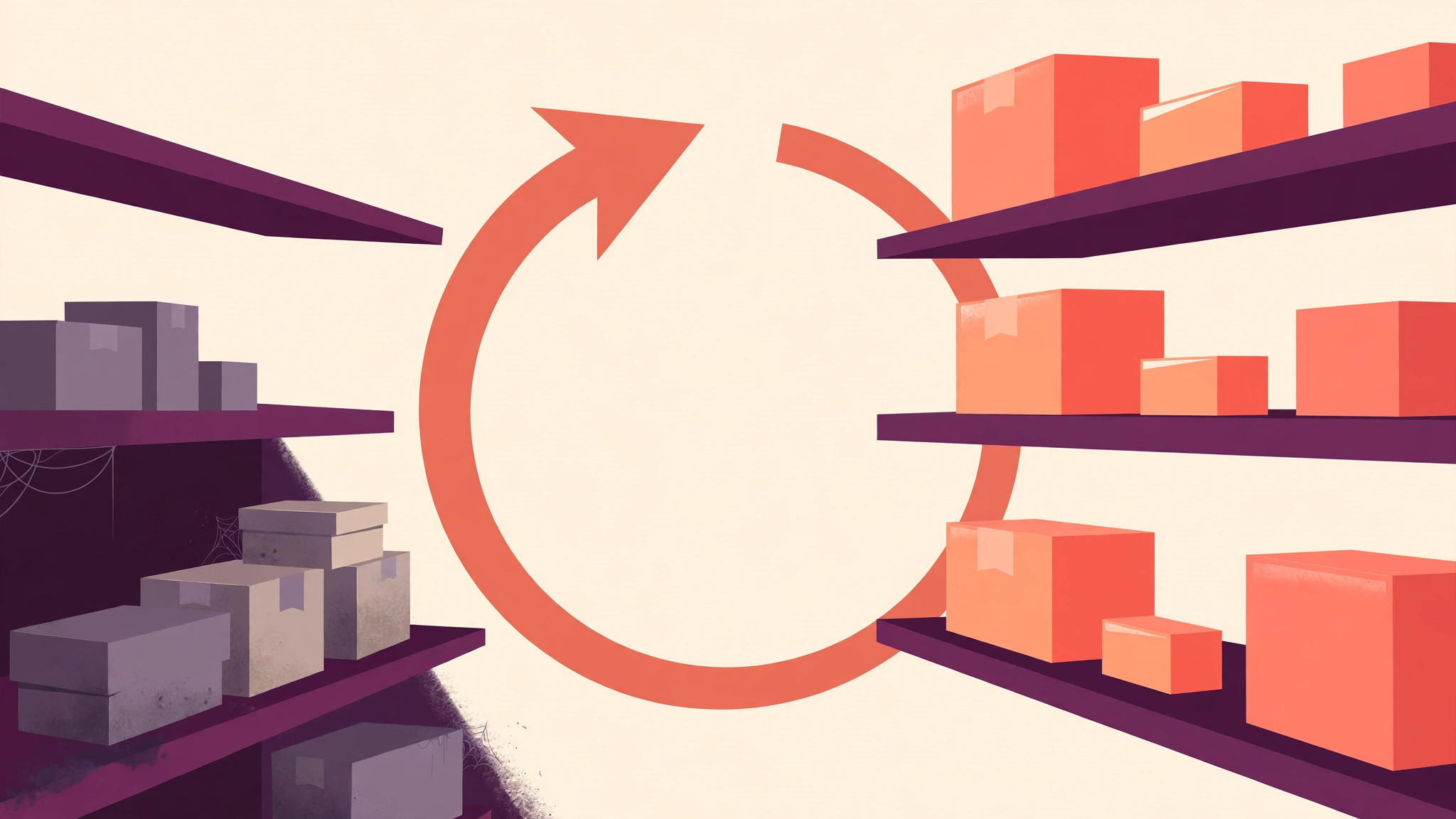
Inventory Turnover: How Fast the Shelves Empty
Cost of goods sold over average inventory: how fast stock moves, the days figure that turns it into cash thinking, and the cost of turning too fast.
Read the guide
Receivable Days: Your Money in Your Customers' Bank
Days sales outstanding: how long customers really take to pay, why the gap between your terms and the truth is your money in their bank, and how to close it.
Read the guide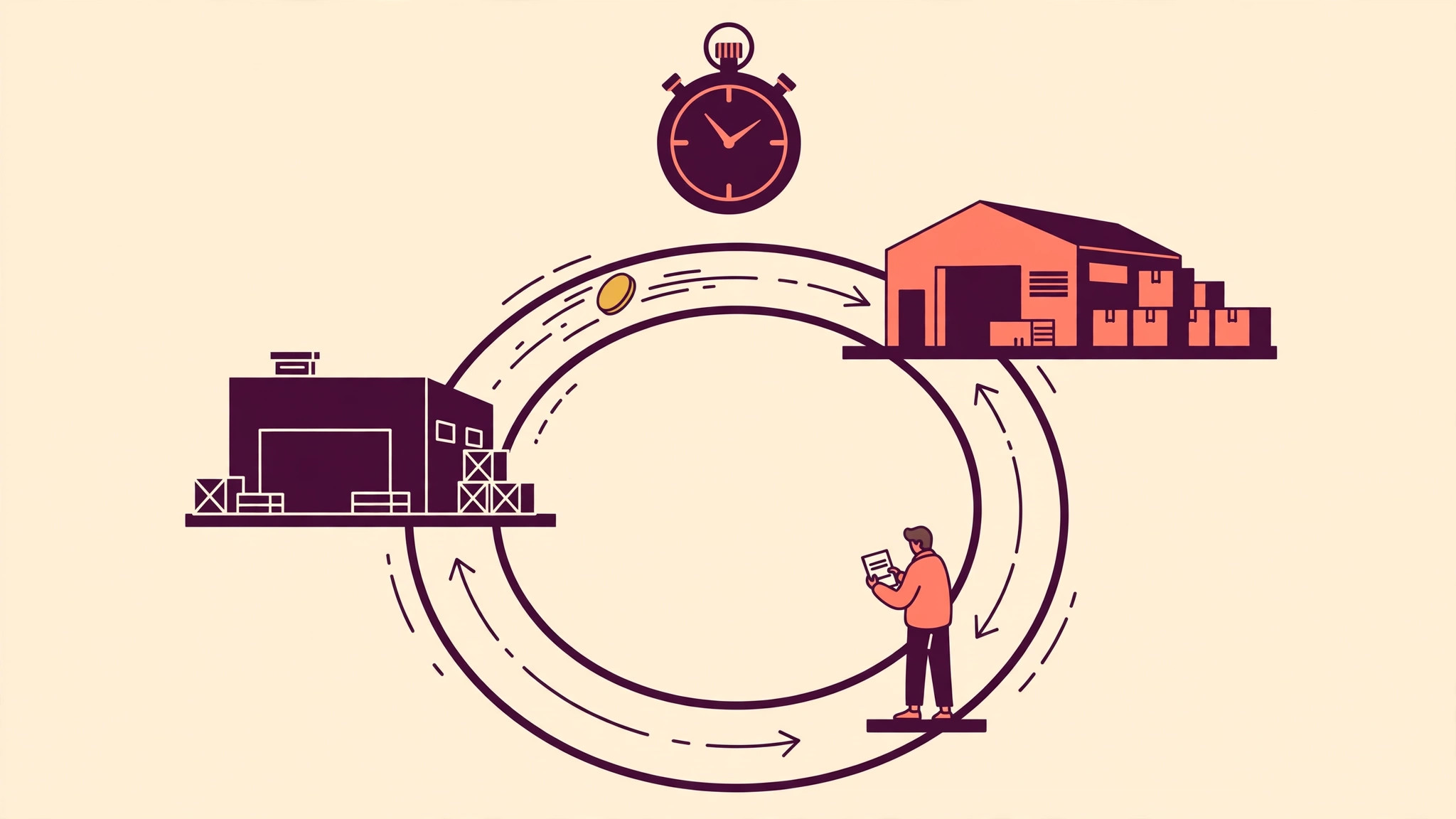
The Cash Conversion Cycle: How Long Your Cash Is Out
DIO plus DSO minus DPO: the single number that describes how long your cash is out on the trading field, and how the best operators turn it negative.
Read the guide
Straight Line Depreciation: The Even Charge
The equal annual charge: when straight line is the right depreciation method, how the salvage value shapes it, and the book value path it draws.
Read the guide
Declining Balance Depreciation: Big Charges First
Front-loaded charges on a falling book value: how declining balance works, why the double rate never quite reaches zero, and the salvage floor that saves it.
Read the guide
Depreciation vs Amortisation: Same Idea, Different Assets
Same idea, different assets: depreciation spreads the cost of tangible things, amortisation spreads the cost of intangible ones, and the loan world uses the word differently again.
Read the guide
Break-Even Analysis: Where Profit Begins
Fixed costs divided by contribution: the sales level where profit begins, the chart every manager should sketch, and the assumptions hiding inside it.
Read the guide
Contribution Margin: The Number That Pays the Rent
Price minus variable cost: the number that pays the fixed costs, decides which orders to accept, and explains why some busy businesses still lose money.
Read the guide
Margin of Safety: How Far Sales Can Fall
The distance between where you are and where losses begin: margin of safety as the risk dial of the business, in units, value and percent.
Read the guide
What Is EBITDA, and What Is It Pretending?
The profit measure that strips out interest, tax and depreciation: what EBITDA is genuinely useful for, and the four things it pretends do not exist.
Read the guide
Earnings Per Share: Profit in the Unit You Own
Profit per share: how EPS is built, basic versus diluted, and why buying back shares can grow it without the business growing at all.
Read the guide
Book Value Explained: The Accountants' Worth of a Share
The accounting value of a company per share: how book value is built from the balance sheet, and why market value so often walks away from it.
Read the guide
Net Present Value: The Green Light Test for Projects
Discounting future cash to today's money: how NPV appraises a project, choosing the discount rate, and why a positive answer is the green light.
Read the guide
IRR Explained: The Project's Own Rate of Return
The rate that makes NPV zero: how to read IRR against a hurdle rate, and the two situations, reinvestment and multiple answers, where it misleads.
Read the guide
The Payback Period: How Long Until You Are Whole?
Years until the money comes back: the simplest appraisal test, what it is honestly good at measuring, and the two things it completely ignores.
Read the guide
VAT Explained for Business: Carrier, Not Owner
How value added tax really works for a business: charging it, reclaiming it, and why the money in the VAT account was never yours.
Read the guide
How to Calculate VAT: On Top, and Back Out Again
Adding VAT to a net price, and the division that finds the tax inside a gross price: the two calculations, and the common error in the second one.
Read the guide
Markup vs Margin: The Expensive Confusion
The same profit wearing two different percentages: markup on cost, margin on price, the conversion between them, and the expensive confusion in the middle.
Read the guide
Economic Order Quantity: The Cheapest Batch to Buy
The order size where ordering costs and holding costs balance: the EOQ formula, what it assumes, and how real businesses adjust it.
Read the guide
FIFO vs LIFO: The Stock Flow That Rewrites Profit
First in first out, last in first out, and average cost: how the choice of stock flow rewrites cost of sales, profit and the tax bill in times of rising prices.
Read the guide
Goodwill: Paying for What Cannot Be Touched
The premium paid for a business above the value of its separate assets: what goodwill is made of, how it is recorded, and how it can evaporate.
Read the guide
Retained Earnings: The Memory of Every Profitable Year
Profits kept rather than paid out: where retained earnings sit, how they grow and shrink, and why a big balance does not mean a big bank account.
Read the guide
The Chart of Accounts: The Skeleton of the Ledger
The filing system of the ledger: how accounts are grouped and numbered, why structure decides the quality of reports, and the mistakes that haunt a bad chart.
Read the guide
The Trial Balance: A Proof That Is Not a Proof
Listing every balance to prove debits equal credits: what a trial balance catches, what sails straight past it, and why accountants still swear by it.
Read the guide
Journal Entries: Writing the Diary of the Business
The diary of the business: how to build a journal entry from a transaction, the narration that saves future readers, and posting to the ledger.
Read the guide