Bank Reconciliation: Making the Books Agree With the Bank
Two records of the same money
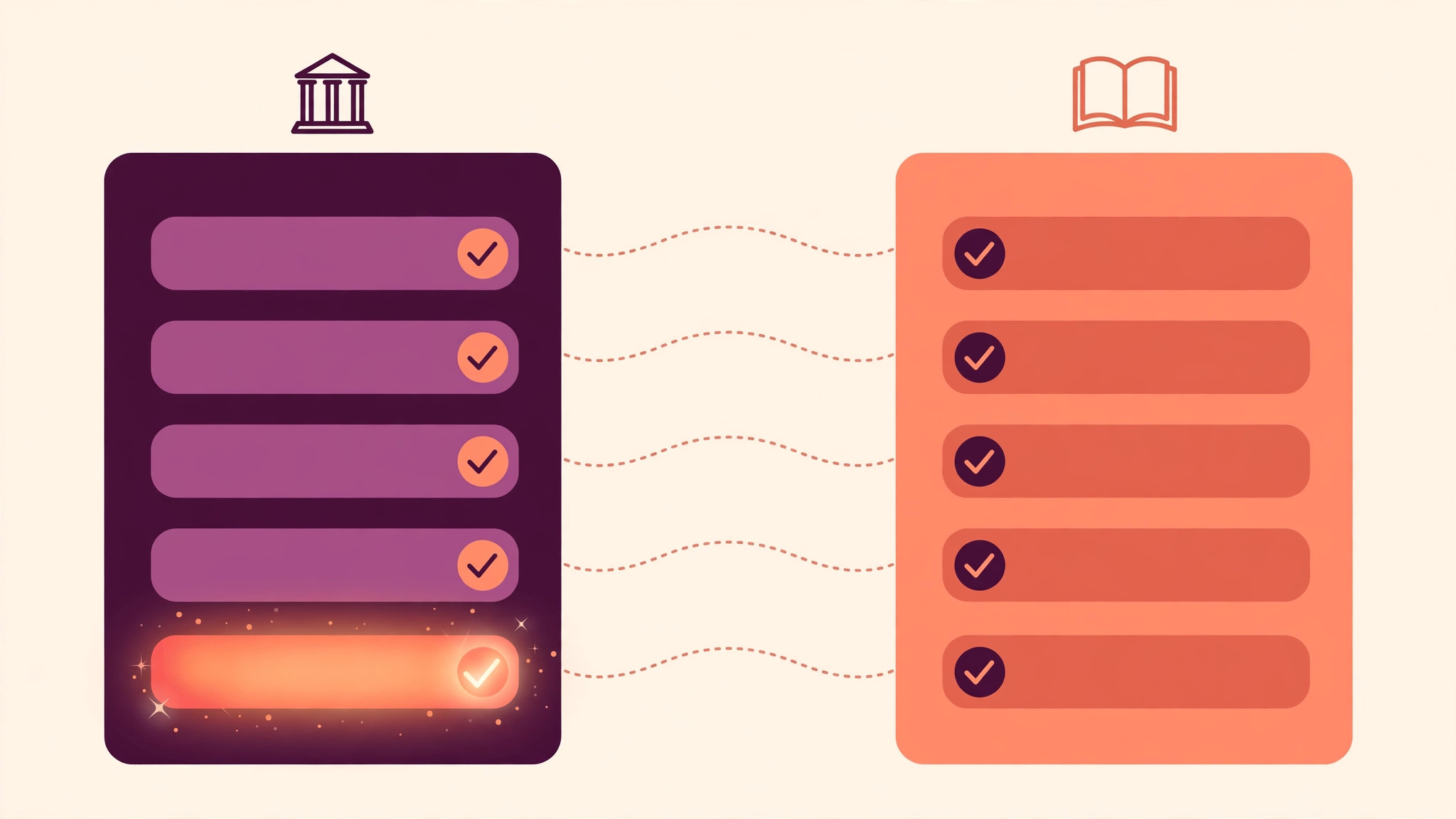
The business keeps a cash book; the bank keeps its own ledger of the same account. A bank reconciliation explains, item by item, why the two balances differ at a date. The usual suspects are timing: cheques or transfers recorded in the books but not yet cleared at the bank, and deposits in transit. Then come the items the bank knows first: charges, interest, direct debits and standing orders, and occasionally a customer's payment that arrived unannounced. Finally, errors, theirs rarely, yours more often: transposed digits and duplicated entries.
The method
Start from the bank statement balance. Add deposits in transit, subtract unpresented payments, and the result should equal the corrected cash book balance after the bank only items have been posted into the books. Anything left unexplained is an error or worse, and it is investigated, not rounded away. Old reconciling items are the tell: a cheque unpresented for six months is not timing, it is a lost payment, a dispute or a fiction, and each month it ages it deserves harder questions. Frequency is a trade worth making consciously. Monthly is the traditional minimum, tied to the statement cycle. Businesses with heavy transaction volumes reconcile weekly or even daily in their banking software, because a difference found within days is a query, while a difference found within a quarter is an investigation. The cost of frequency has collapsed with bank feeds; the cost of lateness has not. Reconcile at the speed of your transaction volume, not at the speed of your filing habits.
Why it is a control, not a chore
The reconciliation is one of the few controls that compares the books against an independent third party record, which makes it fraud's natural enemy: most cash thefts and unauthorised payments eventually break a reconciliation. That power depends on who does it: the person who records the cash should not be the person who reconciles it, and the reviewer should see the reconciliation itself, not just hear that it was done. Monthly, promptly, by the right hands: done that way, the humble bank rec quietly guards the most stealable asset the business owns. Keep the reconciliations themselves, signed and dated, with the outstanding items listed. They are among the first documents an auditor or a buyer's diligence team will request, because a run of clean, timely reconciliations is strong evidence that the cash figure, and by extension the control environment, can be trusted. A business that can produce three years of them on demand has answered half the diligence questionnaire before it is asked.
Work it out yourself
The free calculator that goes with this guide:
Browse the accounting calculators