Depreciation vs Amortisation: Same Idea, Different Assets
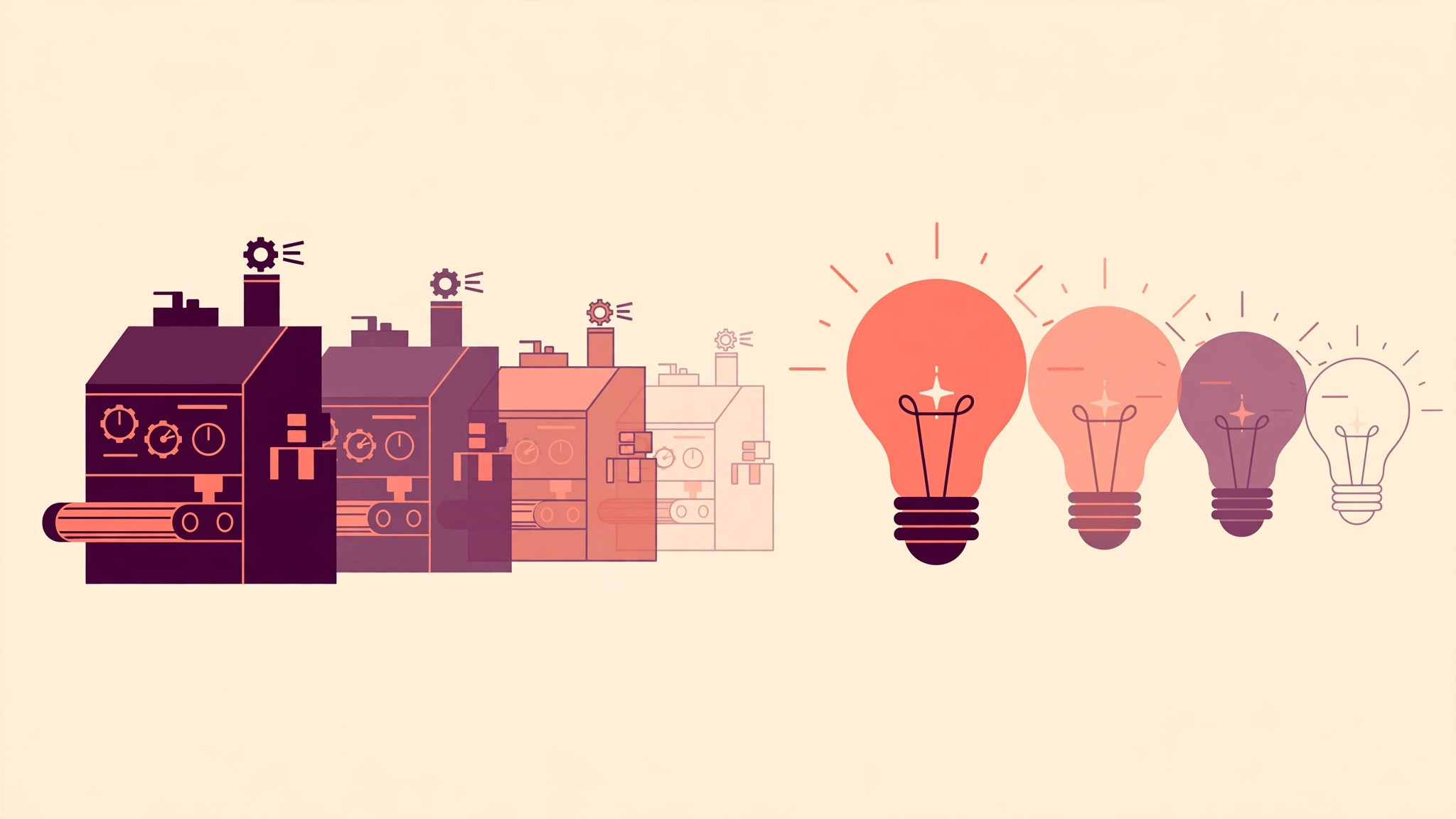
One idea, two labels
Both words describe spreading the cost of a long lived asset over the periods it serves, so that each year bears a fair share. The label depends on the asset. Tangible assets, machines, vehicles, buildings, are depreciated. Intangible assets, patents, licences, copyrights and acquired customer lists, are amortised. The mechanics are the same family: a cost, a useful life, a residual value (usually zero for intangibles) and a method, most often straight line for intangibles because their benefit pattern is hard to prove otherwise.
The exceptions that test the rule
Land is not depreciated, because its useful life is not consumed by use. Goodwill, the premium paid when buying a business, is handled differently again under most standards: it is not amortised on a schedule but tested each year for impairment, and written down only if the business it belongs to has genuinely lost value. Indefinite lived intangibles, some brands for example, get the same impairment only treatment. The pattern is consistent: where life is finite and knowable, spread the cost; where it is not, test the value instead. Impairment completes the picture for both families. If an asset, tangible or intangible, suffers a sudden loss of value, a fire, a lost patent case, a collapsed market, waiting for the schedule to catch up would misstate the accounts, so standards require an immediate write down to the recoverable amount. Depreciation and amortisation handle the expected consumption of value; impairment handles the shocks. A reader who sees a large impairment charge should ask what the business believed last year that it no longer believes now.
The third meaning: loans
In lending, amortisation means something related but distinct: the gradual repayment of a loan through scheduled payments, each part interest and part principal, until the balance reaches zero. An amortisation schedule is the table of those payments. The shared root is the idea of killing a balance gradually, but confusing the two in conversation causes real muddles. When a lender says amortisation they mean repayment; when an accountant says it they mean the intangible asset charge. Context, and the asset or liability being discussed, tells you which. In conversation, one more usage lurks: tax authorities often say capital allowances where accountants say depreciation, and the two numbers for the same asset routinely differ, because tax rules are policy instruments, not measurements. Businesses therefore keep, in effect, two stories for each asset, the accounting charge in the books and the allowance in the tax computation, and the difference between them is one source of deferred tax.
Work it out yourself
The free calculator that goes with this guide:
Try the depreciation calculators