Accrual vs Cash Accounting: Two Ways to Tell the Same Story
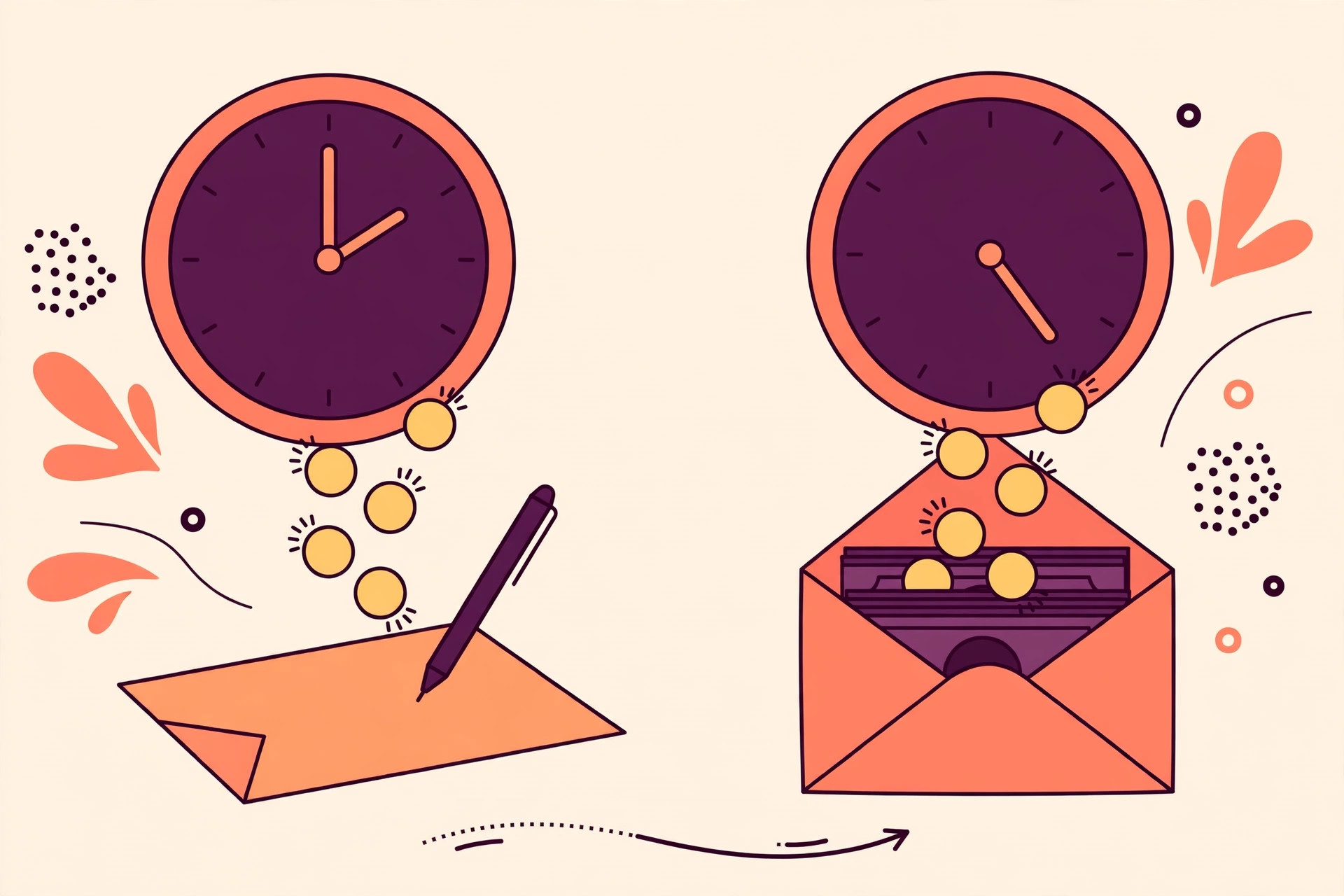
Two ways to time a transaction
Cash accounting records income when money arrives and expenses when money leaves. Accrual accounting records income when it is earned, typically when the invoice is issued, and expenses when they are incurred, whenever the bill arrives. The same business can show a profit on one basis and a loss on the other in the same month, purely from timing. Neither is lying; they are answering different questions, one about money, the other about performance.
Why accruals won
Accrual accounting matches income with the costs of earning it in the same period, which is the only way a profit figure means anything. A shop that buys stock in December and sells it in January would show a dreadful December and a magical January on the cash basis, and the truth, a normal two months, on the accrual basis. For that reason company law and accounting standards require accruals for most businesses above the smallest size, and tax authorities often require it too. The bridge between the two bases is a small family of adjustments with familiar names: accruals for costs incurred but not yet billed, prepayments for costs paid but not yet consumed, deferred income for cash received before it is earned, and accrued income for work done but not yet invoiced. Each adjustment moves one transaction across a period boundary to where it belongs. Learn those four and the accrual basis stops being a philosophy and becomes a routine.
Where cash thinking still rules
Accrual profit can still leave a business unable to pay its wages, because profit sitting in unpaid invoices buys nothing. Wise owners run both views: accrual accounts to judge performance, and a cash forecast to judge survival. Some tax systems let the smallest businesses file on the cash basis for simplicity, which is a genuine mercy at that scale. The mistake is not using one basis or the other; it is reading a figure without knowing which basis produced it. Timing differences reverse; that is their comfort and their warning. A profit inflated this year by slow paying customers deflates next year when the pattern is stripped out, so accrual accounts demand honest cut off at every period end. The discipline is in the diary: invoices issued promptly, bills entered when they arrive, and a period end checklist that asks, for every material figure, in which period this truly belongs.
Work it out yourself
The free calculator that goes with this guide:
Calculate the cash conversion cycle