Internal Controls and the Audit Trail: Making Errors Visible
Why controls exist
Internal controls are the procedures that make errors surface quickly and fraud difficult: authorisation limits, segregation of duties, reconciliations, sequential documents and physical safeguards. Their premise is respectful, not suspicious: most loss comes from error, and most fraud comes from opportunity, so well designed controls protect honest staff from temptation and the business from both. The core principle is that no single person should control a transaction from beginning to end: the one who orders should not be the one who receives, records and pays.
The audit trail
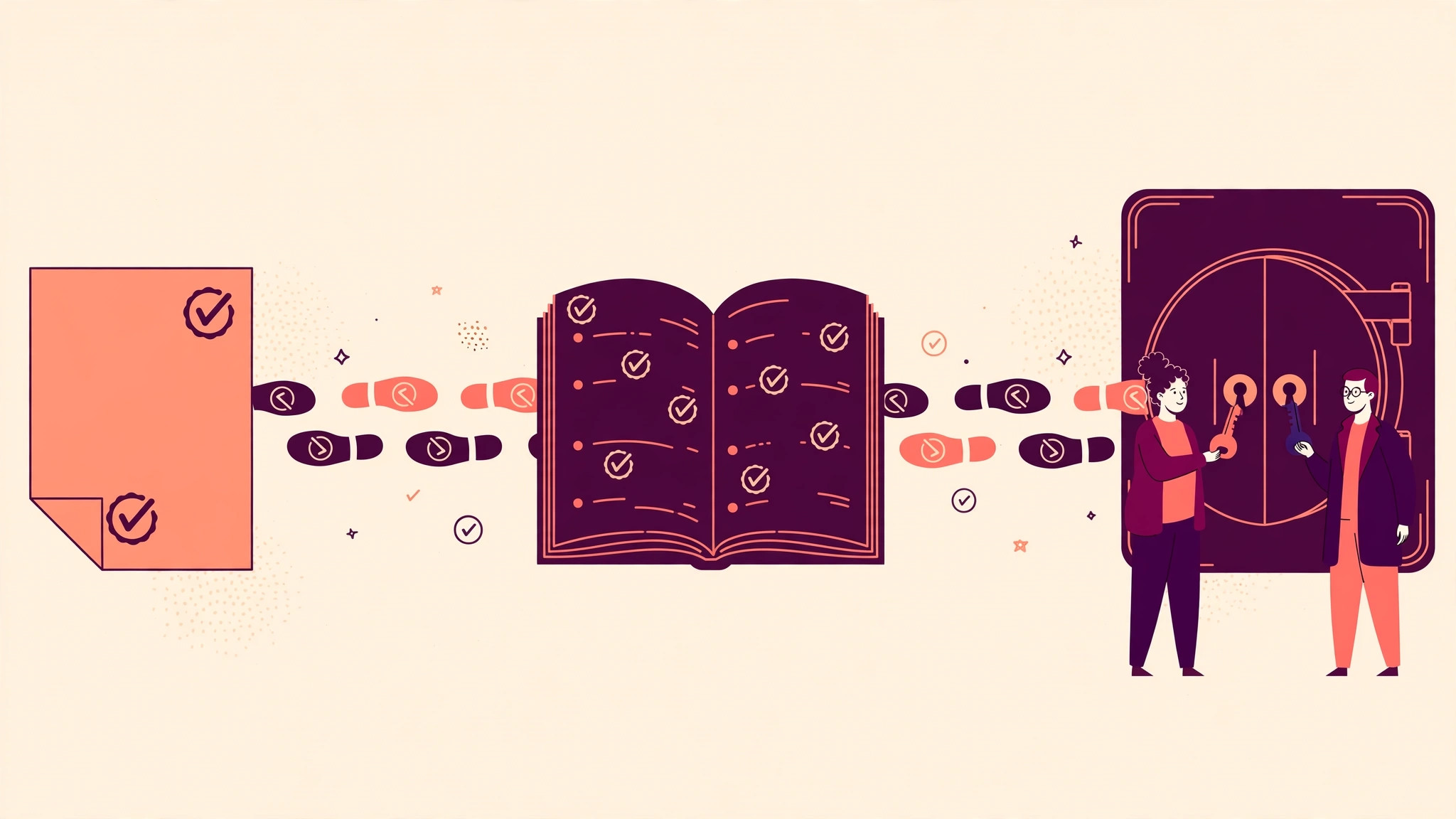
Every figure in the accounts should be traceable backwards to a source document and forwards to its effect, without gaps: invoice to entry to ledger to statement, and payment to bank line to reconciliation. That unbroken chain is the audit trail, and it is what allows an auditor, a manager or a future owner to re walk any transaction. Software logs, numbered documents and retained approvals build it in digital form. Where the trail breaks, in the verbal approval, the unnumbered form, the edited spreadsheet, is exactly where investigation, error and fraud all begin. The classic small controls deserve naming because they catch the classic losses: sequential numbering that exposes missing invoices, authorisation limits that scale with seniority, bank mandates requiring two signatures above a threshold, supplier bank detail changes verified by a call to a known number, and dormant accounts and suppliers purged before they can be resurrected by a fraudster. None requires software or consultants. All require only that someone wrote them down and someone else checks they happened.
Proportionality and culture
Controls cost time and goodwill, so they are sized to the risk: a two person business cannot segregate everything, and compensates with owner review of bank statements and reconciliations, which is itself a powerful control. What never scales down is tone: if the owner bypasses the purchase order system, everyone learns the system is decorative. Controls are ultimately a culture with paperwork attached. The paperwork matters, because memory fades and staff change, but it works only in a business where the rules visibly apply to the powerful first. When a control fails, and one eventually will, the response determines whether the system strengthens or dissolves. Investigate the transaction, then the control, then the culture, in that order, and fix the highest level that is actually broken. Businesses that punish the clerk and keep the design flaw will meet the same loss again wearing a different coat. The audit trail, properly kept, is what makes this kind of learning possible at all.
Work it out yourself
The free calculator that goes with this guide:
Browse the accounting calculators