Return on Equity Explained, and the DuPont Way of Reading It
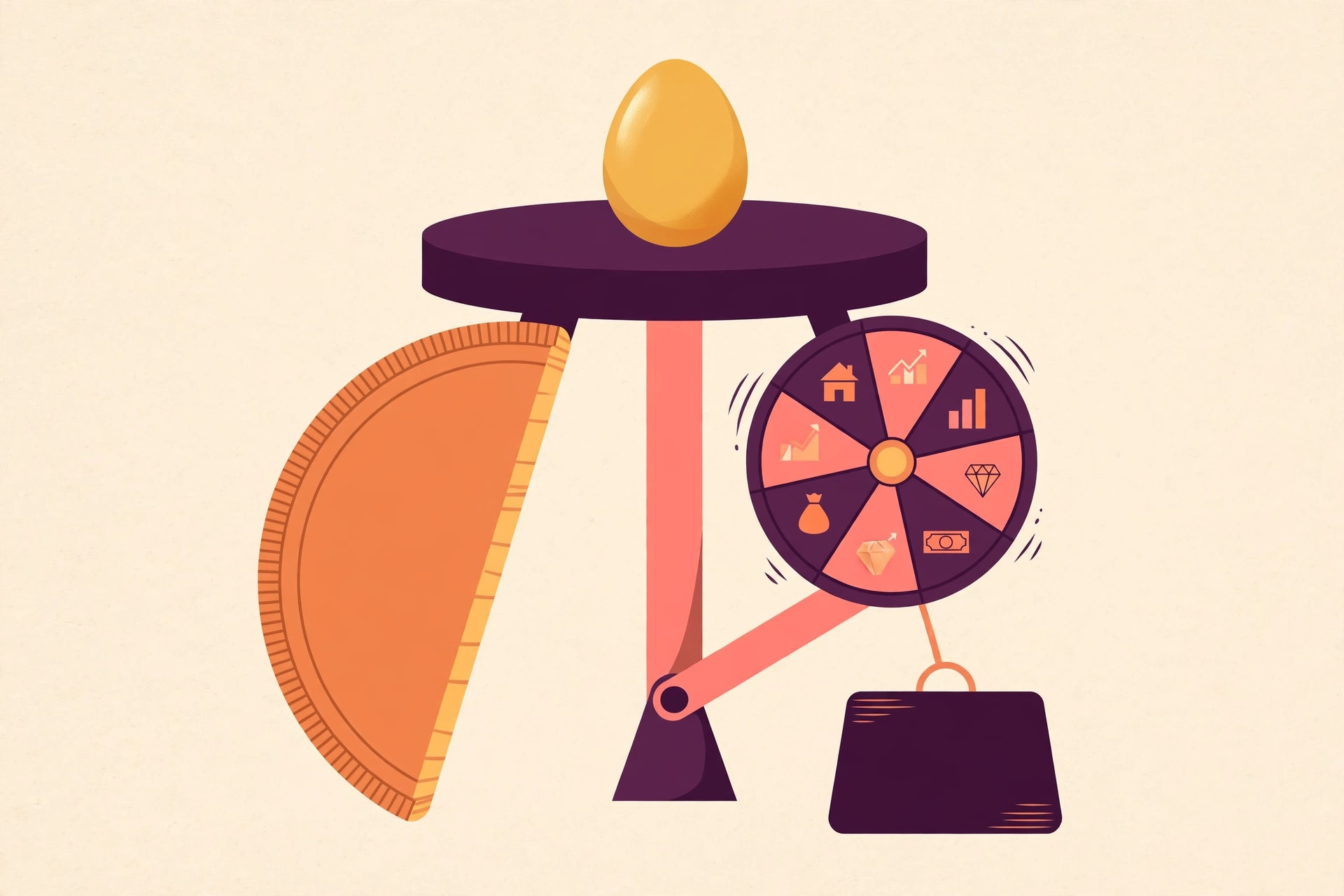
The owners' number
Return on equity divides net income by average shareholders equity, and answers the question every investor asks first: what did the owners earn on the money tied up in this business? A steady ROE in the mid teens is strong in most industries; single figures disappoint, because the owners could often do nearly as well in low risk investments. Use average equity across the year, not the closing figure, because profit was earned on the capital employed throughout the period, not just on the last day's balance.
Taking it apart with DuPont
The DuPont breakdown splits ROE into three multiplied parts: net margin, asset turnover and the equity multiplier. Margin times turnover times leverage. The split matters because the same 15 percent ROE can be built from fat margins, from sweating assets hard, or from borrowing heavily, and the three are not equally safe. A retailer earning its ROE from turnover is a different creature from a property vehicle earning the same figure from leverage. When ROE jumps, DuPont tells you which leg moved, and therefore whether to applaud or worry. Averages and adjustments matter here as much as anywhere. Equity swollen by a recent revaluation depresses ROE without any change in trading; equity shrunk by heavy dividends inflates it while the business runs thinner. Some analysts use the opening equity, some the average, some strip out intangibles to get a tangible return. Any of these is defensible; switching between them between years, quietly, is not. Consistency is what turns a ratio into evidence.
The leverage warning
Borrowing raises ROE mechanically: it shrinks the equity denominator while adding interest-bearing fuel to the assets. In good years the effect is delightful; in bad years it reverses, and the same leverage that doubled the return doubles the loss. This is why ROE must always be read beside return on assets and the debt to equity ratio. ROA shows what the whole asset base earns regardless of funding; the gap between ROE and ROA is the leverage effect, priced in risk. A high ROE with a modest ROA is a warning dressed as a triumph. For the owner of a small company, ROE has a private use: it is the honest comparison against selling up and investing the proceeds. If the business returns 6 percent on the equity tied inside it, year after year, while demanding your full working life, the market is making an argument you should at least hear. Sentiment may win the argument, but it should win against the number, not in ignorance of it.